Newsletter

Why Leaders Still Feel Drained
 by: Clear Growth Advisors Published on: 04/06/2026
Growth should create freedom, not exhaustion. If leadership feels draining, it may be time to build the Strategic Capacity your business needs to thrive.
AccountabilityGetting resultsOwnershipResponsibility

The Hidden Reason Motivation Slips
by: Clear Growth Advisors Published on: 28/05/2026Most motivation problems aren't people problems. They're visibility problems. And the solution is simpler than most leaders think.
AccountabilityGetting resultsOwnershipResponsibility

Why Teams Keep Missing the Mark
by: Clear Growth Advisors Published on: 26/05/2026When teams keep missing the mark, the problem rarely starts with effort. It starts with clarity. Or the lack of it before work ever begins.
AccountabilityGetting resultsOwnershipResponsibility

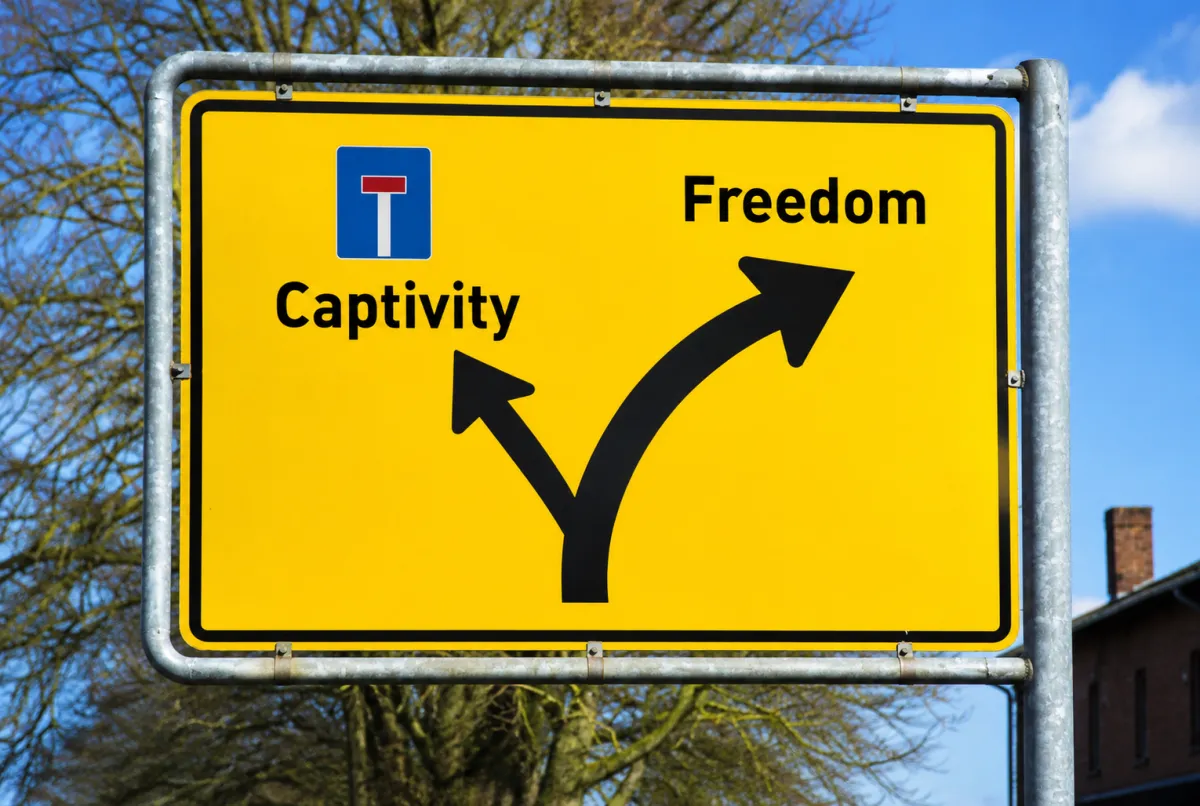
Are You Building Freedom or Captivity?
by: Clear Growth Advisors Published on: 21/05/2026If most decisions stall when you step away, you don't have a leadership team. You have people trained to wait for you. And you trained them.
AccountabilityGetting resultsOwnershipResponsibility